

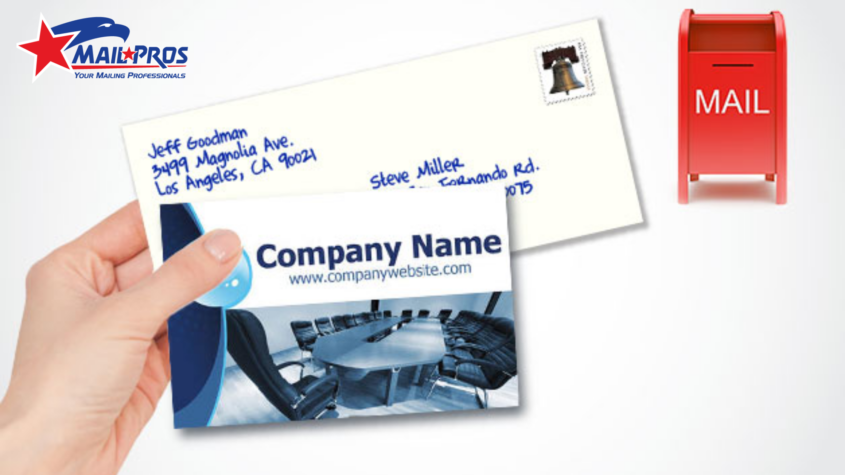
In today’s hyper-digital world, we are constantly bombarded by notifications, pop-up ads, and emails that go straight to the spam folder. As a business owner, you likely feel the frustration of shouting into the void, trying to get your message heard above the digital din. There is something distinctly powerful, however, about the tactile experience of walking to the mailbox and holding a physical piece of mail. That moment of undivided attention is where the real opportunity lies, provided you have the right strategy in place.
We have seen time and time again that a well-crafted physical campaign can achieve response rates that digital channels simply cannot match. It isn’t just about putting ink on paper; it is about creating a connection that feels personal and valuable to the recipient. At MailProsUSA, we believe that direct mail isn’t a relic of the past, but a premium channel for the future. When you combine modern data with creative tangible assets, you transform a simple postcard or letter into a revenue-generating asset for your business.
Why One-Size-Fits-All Fails in Modern Marketing
One of the most common mistakes I see business owners make is assuming that “direct mail” just means printing 5,000 identical flyers and dumping them at the post office. We call this the “spray and pray” method, and frankly, it is usually a waste of your hard-earned budget. In my experience, customers today are savvy; they can spot a generic, irrelevant ad from a mile away, and they treat it accordingly—by tossing it in the recycling bin.
Effective marketing requires nuance. The messaging that resonates with a long-term loyal customer should be completely different from the offer you send to a cold prospect you are trying to win over. Custom solutions allow us to segment these audiences. By tailoring the imagery, the copy, and the offer to specific demographics or buying behaviors, we move away from “junk mail” and toward relevant communication. When a recipient feels understood, they are significantly more likely to engage.
The Power of Strategic Personalization
You might remember a time when personalization just meant sticking a “Dear [First Name]” at the top of a letter. Technology has come a long way since then. Today, customized direct mail allows us to vary images, maps, and even offers based on the individual recipient. Imagine a pet store sending a postcard featuring a dog to a dog owner, and a cat to a cat owner—that is the level of detail that drives conversion.
I often tell clients that personalization is the bridge between a cold interaction and a warm handshake. It shows that you aren’t just blasting out ads to hit a quota; you are providing information that is actually useful to them. Whether it’s a unique discount code tied to their previous purchase history or a reminder that it’s time for a service appointment, these custom touches make your business feel attentive and professional.
Targeting the Right Doorsteps
Even the most beautiful design will fail if it lands in the wrong mailbox. This is where the logistics of data become just as important as the creative side. There are generally two ways to approach this: saturation mailing and targeted mailing. If you run a local pizza shop or a dry cleaner, you might want to reach every home in a specific radius. This is where strategies like Targeted Direct Mail Marketing via Every Door Direct Mail (EDDM) shine, allowing you to dominate a local neighborhood cost-effectively.
However, if you are a high-end landscaper or a financial advisor, you don’t need to reach everyone—you need to reach specific income brackets or homeowners. Using targeted lists ensures your budget is spent only on high-probability prospects. I wrote extensively about the nuances of choosing the right approach in my previous article on Direct Mail Marketing Services, and I highly recommend reviewing that to understand how list hygiene can make or break your campaign’s ROI.
Integrating Print with Digital Efforts
There is a misconception that you have to choose between digital marketing and direct mail. In reality, the best campaigns I’ve managed are the ones where these two worlds collide. We are seeing incredible success with “omnichannel” approaches. For example, including a QR code on a mailer that leads to a personalized landing page allows you to track exactly who is engaging with your physical content.
This integration solves the age-old problem of attribution. Years ago, it was hard to tell if a sale came from a newspaper ad or a flyer. Now, with call tracking numbers and PURLs (Personalized URLs), we can measure the effectiveness of your custom mail solution down to the penny. It allows us to treat your physical mail as a data-rich entry point into your digital sales funnel, reinforcing your brand across multiple touchpoints.
The Role of a Professional Partner
Many business owners try to handle direct mail in-house to save money, only to run into the complex wall of USPS regulations, sizing requirements, and permit fees. I have seen beautiful campaigns get rejected at the post office because the aspect ratio was off by a fraction of an inch, or because the address block was in the “no-print zone.” It is a headache you do not need.
Partnering with an experienced provider ensures that the technical details are handled correctly the first time. At MailProsUSA – About Us, we pride ourselves on navigating these complexities so you don’t have to. From securing the best postage rates to ensuring print color fidelity, having a professional team behind you allows you to focus on running your business while we handle the heavy lifting of execution.
Taking the Next Step for Your Business
If you are tired of seeing your marketing budget evaporate into online clicks that never convert, it is time to reconsider the physical approach. Custom direct mail offers a tangible, trustworthy way to build your brand authority. It requires planning, creativity, and a bit of patience, but the long-term value of holding a customer’s attention in their own home is unmatched.
Don’t let the fear of the unknown stop you from testing this channel. Whether you are looking to launch a massive saturation campaign or a highly sensitive personalized letter run, we are here to guide you through the process. If you are ready to discuss a strategy tailored to your specific goals, please visit our Contact Us page to get the conversation started.
FAQs
1. Is direct mail marketing still effective in 2025?
Absolutely. In fact, response rates for direct mail have been climbing as digital channels become oversaturated. Because people receive less physical mail than they used to, the mail they do receive stands out more. It has a higher trust factor compared to unsolicited emails or social media ads.
2. How do I track the results of my direct mail campaign?
Gone are the days of guessing. We recommend using trackable elements such as QR codes, unique promo codes (e.g., “SAVE20MAIL”), or dedicated phone numbers. This allows you to see exactly how many leads or sales resulted directly from the mail piece.
3. What is the difference between EDDM and Targeted Mail?
EDDM (Every Door Direct Mail) is a saturation service where you send mail to every address on a specific carrier route; it is great for local businesses like restaurants. Targeted mail uses a specific mailing list (filtered by age, income, interests) to send mail only to people who fit your ideal customer profile.
4. How long does a campaign take from design to delivery?
Typically, once the design is approved, printing and processing can take 3 to 5 business days. After that, USPS delivery times vary based on the postage class you choose (First Class vs. Standard/Marketing Mail). We usually advise clients to plan for a 2–3 week window for the entire process.
5. Do I need to have my own design ready?
Not at all. While some clients bring their own artwork, many rely on professional design services. A design that looks good on a screen doesn’t always print well, so working with designers who understand print bleed, resolution, and postal regulations is often the safer choice.
6. What is the minimum number of pieces I need to mail?
This depends on the service. For certain bulk postage rates, the USPS requires a minimum of 200 or 500 pieces. However, smaller runs are possible, though the cost per piece may be slightly higher due to the lack of bulk postage discounts.
7. Can I personalize every single postcard?
Yes, using Variable Data Printing (VDP). This allows us to change text, images, and offers on each individual piece based on your data. For example, you can address the recipient by name or reference the specific neighborhood they live in.
Conclusion
Marketing is not about shouting the loudest; it is about reaching the right people with the right message at the right time. Custom direct mail marketing solutions provide a unique opportunity to step away from the digital noise and place your brand literally in the hands of your customers. It builds credibility, fosters recognition, and when done correctly, delivers a substantial return on investment.
We hope this guide has given you a clearer perspective on how physical mail can work alongside your digital efforts to drive growth. Marketing is an evolving landscape, and staying informed is key to staying ahead. For more insights, tips, and industry updates, be sure to check out our Blog. Let’s make your next campaign your best one yet.
Who Decides Warr Hoodie Style Guide for Beginners
The Warr hoodie sits in a special place within urban design culture. Its design comes from…
A Full-Service Print Shop Specializing in Digital and Offset Printing
Printing looks simple—until it isn’t. Anyone who has rushed to a print shop near …