

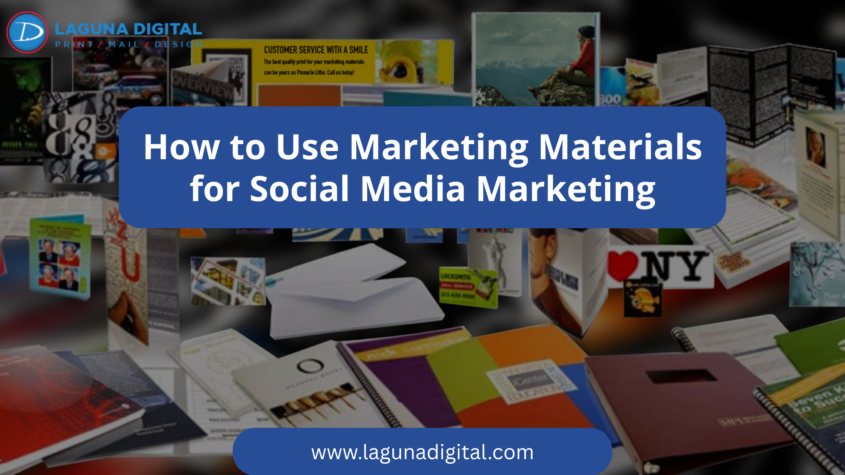
In the fast-paced world of digital marketing, business owners often feel the pressure to churn out new content daily. It can feel like an endless treadmill of creating graphics, shooting videos, and drafting captions, only to do it all over again the next day. But what if I told you that some of your best social media content is already sitting on your desk, waiting to be photographed? There is a common misconception that print and digital are two separate worlds, but in reality, they work best when they support one another.
We see this dynamic constantly at Laguna Digital. Clients often come to us focused entirely on physical production, forgetting that every piece of high-quality print collateral is a content opportunity for Instagram, LinkedIn, or TikTok. By showcasing your physical marketing assets online, you not only fill your content calendar but also add a layer of tangibility and legitimacy to your brand that purely digital graphics simply cannot achieve.
The Power of “Phygital” Marketing
The marketing industry loves buzzwords, but “phygital”—the blending of physical and digital experiences—is a concept that actually holds water. When a potential customer scrolls through a feed dominated by Canva templates and AI-generated stock images, seeing a photograph of a high-quality, textured business card or a beautifully bound catalog stops the scroll. It proves you are a real business with real assets.
Integrating your physical marketing materials into your digital strategy bridges the gap between the screen and the real world. It signals to your audience that you have invested in your brand presentation. In my experience, showing the behind-the-scenes process of your marketing materials—from design to the final unboxing—builds a narrative of quality and care that resonates deeply with modern consumers.
Turning Business Essentials into Aesthetic Content
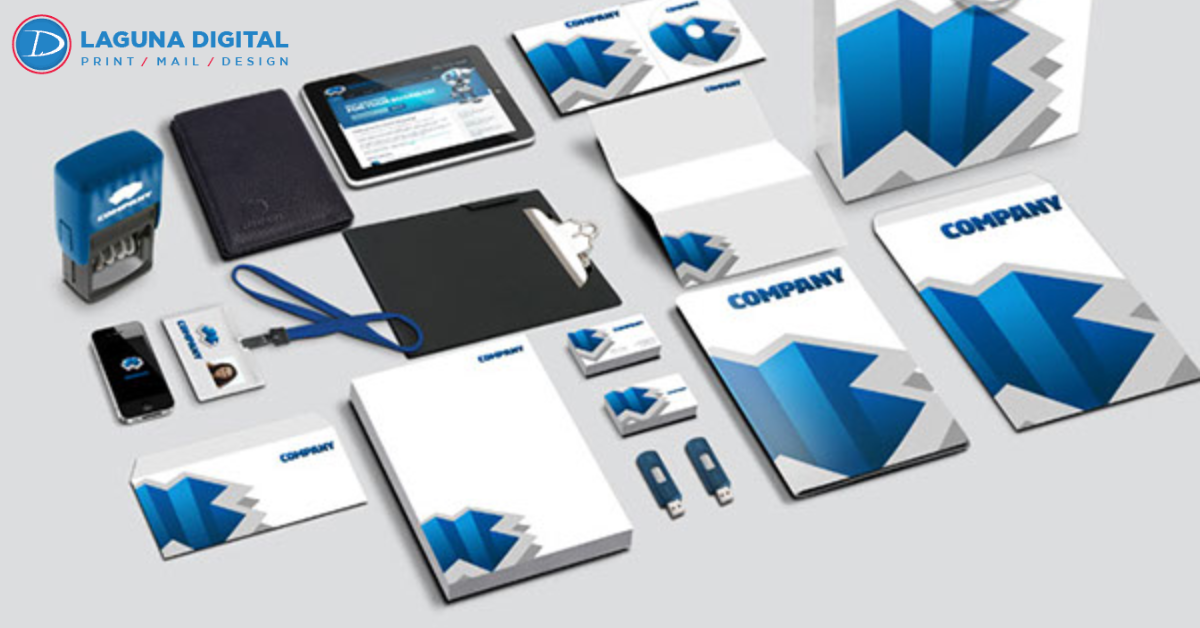
One of the easiest ways to get started is by looking at the items you use every day. Your stationery, business cards, and letterheads are not just functional tools; they are brand ambassadors. I often advise clients to create “flat lay” photography using their business essentials. Arrange your business card next to a laptop, a cup of coffee, and a product sample to create a lifestyle shot that communicates your brand’s vibe without being overly salesy.
Furthermore, unboxing videos are a staple of social media for a reason: people love the anticipation and satisfaction of opening something new. If you have just received a new shipment of letterheads or custom envelopes, film a short Reel or TikTok unpacking them. Focus on the texture of the paper and the crispness of the print. This doesn’t just show off the product; it demonstrates that you pay attention to the details, a trait that clients look for in every service provider.
Leveraging Large Format Print for Engagement
Events and trade shows are goldmines for social media content, yet so many businesses fail to capture the moment. If you have invested in large-format printing, such as step-and-repeat backdrops or pop-up displays, these should be the centerpiece of your event coverage. We discuss this often when clients are browsing our banners, posters, and signs categories; the sign isn’t just for the people in the room—it’s for the hundreds of people who will see photos of it online.
Encourage your staff and clients to take selfies in front of your signage. This generates organic User-Generated Content (UGC), which is the most trustworthy form of marketing available. When I see a business reposting photos of happy customers standing in front of their branded banners, it tells me that their event was a success and their community is engaged. Make sure your handles and hashtags are visible on the print itself to make tagging your business seamless.
High-Quality Digital Printing as a Visual Hook
There is a distinct difference between a digital graphic and a photo of a printed graphic. A digital file looks flat on a screen, but a photo of that same graphic printed on high-gloss cardstock catches the light and adds depth. This is where professional digital printing becomes a content creator’s secret weapon. You can showcase the vibrant colors and sharp details of your brochures or flyers in a way that a screenshot never could.
Try filming a close-up video panning over your latest brochure, highlighting specific offers or design elements. Use trending audio to increase the reach of the video. This technique works particularly well for promoting sales or new menu launches. It gives the viewer a “tactile” experience through the screen, triggering a psychological sense of ownership that increases the likelihood of them visiting your store or website to get the real thing.
The Authority of Booklets and Catalogs
In an era of tweets and short captions, long-form printed content commands respect. Producing a physical book, annual report, or extensive catalog positions your company as an industry authority. When we handle book printing for clients, I always suggest they use the final product as a prop for “educational” content. You can film a video flipping through the pages while discussing a case study or a specific product featured inside.
This approach serves two purposes: it educates your audience and it validates your expertise. There is something inherently trustworthy about a business that has taken the time to publish physical literature. It implies permanence and stability. You can even run a giveaway on social media where the prize is a physical copy of your lookbook or a branded notebook, driving engagement while distributing your marketing materials directly into the hands of potential leads.
When to Call in the Experts
While DIY content is great for day-to-day updates, there comes a point where the quality of your physical materials must match the quality of your digital promise. If your printed assets look faded, flimsy, or poorly designed, posting them on high-definition social media platforms will only highlight those flaws. Your marketing materials are a reflection of your brand’s standards, and inconsistencies here can damage trust faster than you might think.
If you are struggling to make your print materials look “gram-worthy,” or if your current collateral doesn’t reflect the premium nature of your services, it might be time to consult with professionals. Whether you need a design refresh or advice on paper stocks that photograph well, you can always contact us for guidance. We have helped countless businesses elevate their physical presence to match their digital ambitions.
FAQs
How do I take good photos of glossy marketing materials without glare?
Photographing glossy print can be tricky due to reflection. The best approach is to use soft, natural light avoid direct sunlight or harsh overhead bulbs. Try placing the item near a window with sheer curtains. Alternatively, photograph the item from a slight angle rather than directly from above, or use a polarizing filter on your camera lens to cut through the glare.
Can I use QR codes on print materials to track social media conversions?
Absolutely. In fact, this is one of the most effective ways to link print and digital. You can place a dynamic QR code on your flyers or business cards that links directly to your Instagram profile, a specific LinkedIn post, or a landing page. This allows you to track exactly how many people are moving from your physical marketing assets to your digital channels.
What types of paper stock look best on camera?
Generally, matte or “soft-touch” finishes photograph better than high-gloss because they don’t reflect as much light, making the text easier to read in photos. Textured papers, like linen or heavy cardstock, also add a premium look that translates well on high-resolution screens, adding a “feel” to the visual that flat digital images lack.
How often should I post my marketing materials on social media?
There is no hard rule, but a good balance is the 80/20 rule. 80% of your content should be value-driven (educational, entertaining), and 20% can be promotional. Your marketing materials can fit into both categories. For example, a photo of a brochure can be promotional, but a video reading a tip from the brochure is educational.
Conclusion
Integrating your physical marketing materials into your social media strategy is not just about saving time on content creation—it’s about building a cohesive, trustworthy brand identity. By treating your business cards, banners, and brochures as visual assets for your digital feeds, you create a seamless experience for your customers that bridges the gap between the online and offline worlds.
Remember, the goal is to show your audience that you are real, professional, and attentive to detail. The next time you hold a fresh stack of flyers or set up a banner for an event, don’t just use it; capture it. For more insights on how to optimize your print and digital strategies, be sure to check out our blog for the latest tips and trends.

Who Decides Warr Hoodie Style Guide for Beginners
The Warr hoodie sits in a special place within urban design culture. Its design comes from…
A Full-Service Print Shop Specializing in Digital and Offset Printing
Printing looks simple—until it isn’t. Anyone who has rushed to a print shop near …