

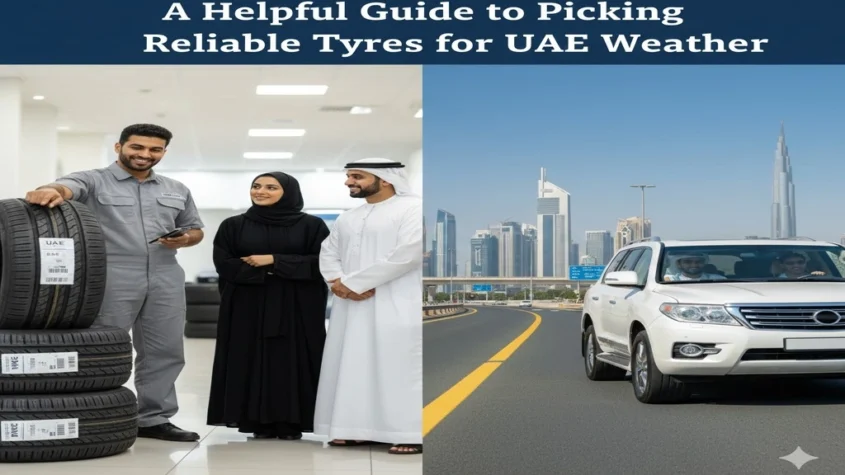
Driving in the United Arab Emirates offers a unique experience. The roads are generally excellent, ranging from the expansive highways of Abu Dhabi to the bustling streets of Dubai. However, the environmental conditions present a significant challenge for vehicle maintenance. The intense climate places immense stress on every part of a car.
Among all vehicle components, tyres suffer the most from the harsh environment. The scorching summer heat is a relentless enemy of rubber compounds. This makes choosing the right equipment essential for your safety and comfort. Finding reliable tyres for UAE weather is about more than just buying a premium brand.
It requires an understanding of how heat, sand, and speed affect performance. Drivers must balance durability with grip to ensure safety. This guide aims to navigate the complexities of tyre selection in the region. We will explore the factors that ensure your journey is safe, regardless of the temperature.
Why UAE Weather Has a Big Impact on Tyre Performance
The climate in this region is characterized by extreme heat and aridity. For a significant portion of the year, temperatures remain very high. While modern cars are built to handle this, tyres are directly exposed to the elements. They are the only contact point between the vehicle and the scorching ground.
This direct exposure makes them vulnerable to rapid degradation. The ambient air temperature is only one part of the equation. Solar radiation heats the black rubber even when the car is parked. This constant thermal stress affects the chemical structure of the tyre.
Understanding the science behind this helps drivers make better choices. It explains why tyres that last years in Europe might fail quickly here. The combination of heat and friction creates a demanding environment. Neglecting these factors can lead to dangerous situations on the road.
Extreme Heat and Rubber Stress
Rubber is an organic material that changes properties when heated. Extreme heat accelerates the chemical breakdown of the tyre compound. This process is known as vulcanization or hardening of the rubber. When tyres get too hot, they lose their essential elasticity.
A tyre needs to be flexible to absorb road imperfections and grip the surface. As the rubber hardens, it becomes brittle and prone to cracking. You might see small spiderweb cracks appearing on the sidewalls. This is a clear sign of heat damage and UV exposure.
Prolonged exposure weakens the internal structure of the tyre. The layers of fabric and steel inside can separate from the rubber. This structural failure is a common cause of blowouts during summer. It highlights the need for regular inspections during hot months.
Hot Asphalt and Road Friction
The road surface itself acts as a heat storage unit. Black asphalt absorbs solar energy and retains it for hours. Road surface temperatures can easily exceed 60 degrees Celsius during the day. This turns the road into a hot plate that cooks your tyres from the bottom.
As the tyre rolls, friction generates internal heat within the casing. This internal heat combines with the external heat from the road. The result is a rapid softening of the tread compound while driving. Soft rubber wears away much faster than cool rubber.
This increased wear rate reduces the lifespan of the tyre significantly. It also affects the braking distance of the vehicle. Soft, overheated rubber can feel “greasy” and lose traction. This is particularly dangerous during emergency stops in traffic.
Understanding Different Road Conditions Across the UAE
The UAE offers a diverse mix of driving environments for residents. A daily commute might start in the dense traffic of Sharjah. It might involve a high speed run to Dubai or Abu Dhabi. Each setting demands different performance characteristics from your tyres.
A tyre that excels in stop and go traffic might struggle on the open road. Conversely, a high performance highway tyre might be uncomfortable in the city. Understanding your daily route is key to making the right choice. You need a tyre that offers versatility across these conditions.
City Driving Versus Highway Driving
Urban driving involves frequent braking, turning, and acceleration. Traffic lights, roundabouts, and congestion increase tread wear through friction. You need tyres with excellent grip for sudden stops in city traffic. They must also be durable enough to handle frequent scrubbing against the road.
Highway driving presents a different set of challenges. Sustained high speeds on roads like Sheikh Zayed Road generate constant heat. The centrifugal force at 120 km/h or 140 km/h stresses the tyre structure. Tyres need to dissipate this heat effectively to remain safe.
Stability is also a major factor for highway driving. You want a tyre that tracks straight and true without wandering. This reduces driver fatigue on long journeys between emirates.
Desert, Sand, and Long Distance Travel
Sand is an unavoidable element on almost all roads here. Even on paved surfaces, fine sand can accumulate and reduce traction. It acts like sandpaper on the rubber tread over time. For those driving near desert areas, tread pattern matters.
Tyres need grooves that can clear sand quickly to maintain grip. This prevents the car from sliding on sandy patches of asphalt. For those venturing off the main roads, durability is vital. The tyre must resist cuts and chips from rougher terrain.
Long distance travel requires a robust construction to handle fatigue. Driving from Abu Dhabi to Fujairah puts hours of stress on the sidewalls. A reliable tyre maintains its integrity throughout the journey. It ensures you arrive at your destination without mechanical issues.
Key Features to Look for in Tyres for UAE Climate
Not all tyres sold globally are suitable for the Gulf region. Winter tyres, for instance, are dangerous to use in this heat. You need specific summer tyres designed for hot climates. Manufacturers create specific regional specifications for the GCC market.
These tyres are built with specialized materials and designs. They are engineered to withstand the unique environmental stressors we face. Knowing what to look for on the sidewall is empowering. It helps you verify that you are buying the right product.
Heat Resistance and Rubber Compound Quality
The most important feature is the temperature rating. This is usually graded as A, B, or C on the tyre sidewall. Grade A represents the best heat dissipation capabilities available. You should always aim for Grade A tyres in the UAE.
The rubber compound plays a massive role in performance. It should be hard enough to resist softening in the heat. However, it must still provide enough grip for safety. Premium brands use advanced silica mixtures to achieve this balance.
These compounds are chemically more stable under thermal stress. They resist the drying effects of the sun better than budget options. Investing in a quality compound adds months or years to tyre life.
Load Rating, Speed Rating, and Sidewall Strength
The load rating indicates the maximum weight a tyre can carry. This is a numerical code found on the sidewall. A heavier SUV needs a higher load index than a small sedan. Overloading a tyre increases heat buildup and the risk of failure.
The speed rating must match your vehicle’s top speed capabilities. Common ratings are H, V, or W for modern cars. A higher speed rating means the tyre can handle more heat. It ensures the tyre holds its shape at highway speeds.
Strong sidewalls are essential for protecting against road hazards. They resist damage from curbs and potholes in the city. A robust sidewall also improves the stability of the vehicle during cornering.
How Driving Habits Influence Tyre Choice
Your personal driving style plays a huge role in tyre selection. An aggressive driver wears out tyres much faster than a calm one. How you use your car dictates what features you should prioritize. Be honest about your habits to get the best value.
If you enjoy spirited driving, you need performance focused rubber. If you are a relaxed cruiser, comfort is likely your priority. Matching the tyre to the driver ensures satisfaction. It prevents you from paying for features you do not need.
Daily Commuters and Family Drivers
If you drive daily for work or school runs, prioritize comfort. You want tyres that reduce road noise and vibration. This makes the daily grind much more bearable. Durability is also a key factor for budgeting.
Frequent replacements can be costly for high mileage drivers. You need a tyre with a high treadwear rating. Safety features like wet braking grip are essential for families. Even though rain is rare, roads can be slippery from oil.
For family SUVs, stability is paramount. The tyre must handle the weight of the vehicle and passengers safely. It should provide a secure feeling when changing lanes.
Performance Drivers and Long Highway Users
Enthusiasts might prioritize cornering grip over long tread life. They need tyres that provide precise steering feedback. These tyres often use softer compounds for maximum traction. However, they may wear out faster on hot roads.
For long highway users, straight line stability is the main concern. The tyre must track straight without constant steering corrections. Heat management is critical for these sustained high speeds.
Cooling channels in the tread design help reduce temperature buildup. This ensures the tyre remains safe after hours on the road. It provides peace of mind during cross country trips.
Maintenance Practices That Help Tyres Last Longer
Even the best tyres will fail if they are neglected. Maintenance is crucial in the UAE due to the extreme conditions. Proactive care extends the life of your investment significantly. It also ensures your vehicle remains safe to drive.
Routine checks can spot issues before they become dangerous. It is a simple habit that saves money and lives. You do not need to be a mechanic to perform basic checks. A few minutes a month is all it takes.
Correct Tyre Pressure in Hot Weather
Air expands when it gets hot, affecting tyre pressure. This causes tyre pressure to rise significantly during the day. An overinflated tyre wears out unevenly in the center of the tread. It also reduces the contact patch, reducing grip.
Conversely, an underinflated tyre is even more dangerous. It flexes excessively, generating dangerous levels of internal heat. This creates a high risk of blowout on highways. Check your pressure at least once a month when tyres are cool.
Ideally, check them in the morning before driving. Follow the manufacturer’s recommended pressure found on the door sticker. Do not rely on the maximum pressure listed on the tyre sidewall.
Alignment, Rotation, and Visual Inspections
Misalignment causes tyres to drag sideways rather than roll true. This scrubs the rubber off rapidly and unevenly. Hitting a pothole or curb can easily knock wheels out of alignment. If your car pulls to one side, check the alignment.
Rotate your tyres every 10,000 km to ensure even wear. Front tyres usually wear faster due to steering and weight. Rotation balances this wear across all four tyres.
Inspect them visually for cracks, bulges, or nails regularly. Look closely at the sidewalls for signs of dry rot. Catching damage early prevents roadside breakdowns.
Comparing Options Available in the UAE Market
The tyre market is flooded with various options for consumers. You have premium, mid range, and budget choices available. It can be overwhelming to decide which is best for your car. Research is necessary to find the right fit.
It is important to look beyond just the brand name. Read the specifications and understand what you are buying. Compare the treadwear, traction, and temperature ratings.
Choosing Tyres Based on Quality and Usage
Do not just look at the price tag when buying. Consider the longevity and safety ratings of the product. A cheaper tyre might wear out twice as fast as a quality one. This makes it more expensive in the long run.
Many drivers compare different tyre brands in UAE to balance durability, safety, and performance under extreme weather conditions. Read reviews from other local drivers to gauge real world performance. Consult experts at tyre shops for recommendations based on your car.
Ensure the manufacturing date is recent, preferably within a year. Rubber degrades even when sitting on a shelf. Buying fresh tyres ensures you get the full lifespan.
Frequently Asked Questions
What makes tyres suitable for UAE weather?
Heat resistance, strong rubber compounds, and proper load ratings make them suitable.
Do all tyres wear faster in hot climates?
Yes, heat accelerates rubber breakdown if tyres are not designed for it.
How often should tyres be checked in the UAE?
At least once a month and before long trips.
Are summer tyres better for UAE roads?
Yes, they handle heat better than all season options.
Does driving style affect tyre life?
Smooth driving reduces heat and uneven wear.
Conclusion
Selecting the right rubber for your car is a serious responsibility. The UAE climate is unforgiving to subpar equipment. Prioritize heat resistance and proper specifications above all else. Remember that safety is the ultimate goal of this purchase.
Take the time to assess your driving habits and road conditions. Choose a tyre that matches your specific needs and budget. Regular maintenance will ensure you get the most out of them. Drive safely and check your tyres often.
Who Decides Warr Hoodie Style Guide for Beginners
The Warr hoodie sits in a special place within urban design culture. Its design comes from…

A Full-Service Print Shop Specializing in Digital and Offset Printing
Printing looks simple—until it isn’t. Anyone who has rushed to a print shop near …