

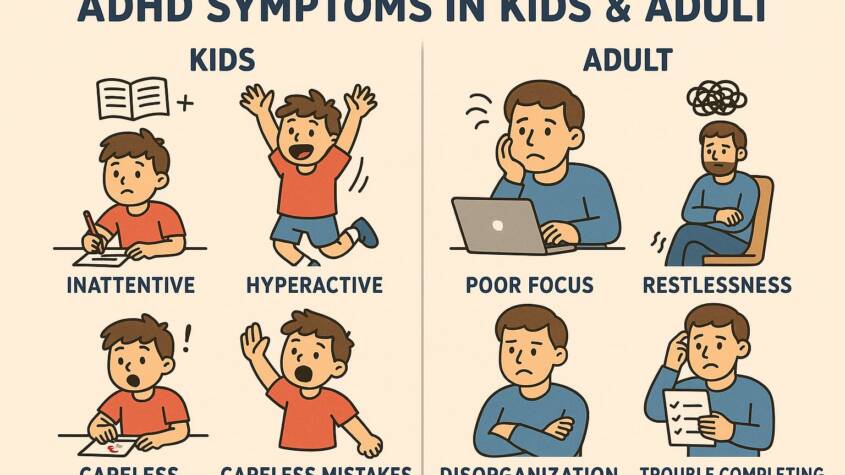
Question is How To Get Adult ADHD Diagnosis Ontario ? Adults seeking an ADHD diagnosis in Ontario can access assessments through public or private healthcare providers. The most direct way to get diagnosed is by consulting a physician or visiting specialized ADHD clinics that offer evaluation services covered by OHIP or private pay options. These facilities provide structured assessments tailored to adult ADHD symptoms, which often differ from childhood presentations.
Wait times and costs vary between public and private routes, with private assessments generally offering faster access. Virtual assessments are increasingly available, making the process more convenient for many. Understanding the steps involved and available resources helps individuals navigate the system efficiently and find reliable support.
Understanding Adult ADHD Diagnosis in Ontario
Adult ADHD diagnosis involves recognizing specific symptoms, meeting certain criteria, and engaging with healthcare professionals qualified to assess the condition. The process requires detailed evaluation and often involves collaboration between primary care providers and specialists.
Symptoms and Signs of Adult ADHD
Adults with ADHD often experience persistent patterns of inattention, hyperactivity, and impulsivity that interfere with daily life. Common signs include difficulty focusing on tasks, forgetfulness, frequent mood swings, and restlessness. Many adults report challenges with organization, time management, and maintaining relationships.
Symptoms must have been present since childhood, though they may have been misinterpreted or unnoticed earlier. Emotional regulation difficulties and impulsive decision-making are also frequent indicators. These symptoms can affect work performance, social interactions, and overall well-being.
Recognizing these signs is the first step toward seeking a formal diagnosis and appropriate treatment or support.
Eligibility Criteria for Diagnosis
To qualify for an ADHD diagnosis in Ontario, symptoms must align with the DSM-5 criteria, which require evidence of ongoing inattention and/or hyperactivity-impulsivity present before age 12. Additionally, these symptoms must impair functioning in multiple areas of life, such as work, home, or social situations.
The diagnosis excludes other mental health conditions that could better explain symptoms. A thorough assessment includes detailed history-taking to confirm symptom onset, duration, and impact. Documentation from childhood, if available, can strengthen the case but is not mandatory.
Applicants must show clear clinical evidence that symptoms affect daily activities and are not due to situational factors or other disorders.
Role of Family Doctors and Specialists
Family doctors are often the first point of contact and can conduct initial screenings for ADHD. They assess symptoms, rule out other conditions, and provide referrals to specialists if needed. Family physicians may offer limited ADHD management or guide patients to appropriate services.
Specialists, such as psychiatrists, psychologists, or clinics like the Adult ADHD Centre in Ontario, conduct comprehensive assessments using standardized diagnostic tools. These professionals provide detailed evaluations, including interviews, symptom rating scales, and sometimes cognitive testing.
Specialists confirm the diagnosis and recommend treatment plans, which may include medication, therapy, or coaching. Collaboration between family doctors and specialists ensures continuity of care and access to resources.
Steps to Obtain an Adult ADHD Diagnosis in Ontario
Getting an adult ADHD diagnosis in Ontario requires several defined steps, from referral to assessment and follow-up care. Each stage involves specific actions, costs, and timelines that influence the overall experience.
Referral Process and Booking Assessments
The first step typically starts with consulting a family doctor or nurse practitioner. They can evaluate symptoms, rule out other conditions, and provide a referral to a specialist such as a psychologist, psychiatrist, or a dedicated ADHD assessment clinic.
Self-referral is sometimes possible at private clinics but is less common in the public system. After receiving a referral, booking an assessment involves contacting the recommended provider directly. Wait times vary and can extend to several months in public facilities.
Documentation of symptom history and any previous mental health evaluations often helps expedite the process.
Types of Diagnostic Assessments Available
Diagnostic assessments vary by provider. They commonly include clinical interviews, standardized questionnaires, and observation of behavior patterns consistent with DSM-5 ADHD criteria.
Psychologists and psychiatrists conduct comprehensive evaluations, which may incorporate cognitive testing and input from family members or partners. Some clinics offer virtual assessments, especially post-pandemic, though in-person visits remain standard.
These assessments differentiate ADHD from other psychiatric or neurological conditions and establish symptom severity and subtype (inattentive, hyperactive-impulsive, or combined).
Costs, Insurance, and Wait Times
Public assessments covered by Ontario Health Insurance Plan (OHIP) generally incur no direct cost but have longer wait times, which can range from weeks to several months, depending on demand and region.
Private assessments cost between CAD 500 to CAD 2,000, depending on the provider’s credentials and test complexity. Many extended health insurance plans partially cover private assessments but require pre-approval.
Virtual assessments sometimes reduce costs and scheduling delays. It is important for patients to confirm payment policies and possible insurance reimbursements before booking.
After Diagnosis: Treatment and Support Options
Once diagnosed, treatment usually involves a combination of medication, therapy, and skill-building strategies. Psychiatrists typically manage pharmacological treatment, while psychologists or therapists provide cognitive-behavioral therapy (CBT) and coaching.
Support groups and ADHD-specific educational resources are widely available, including those offered by community organizations and specialized clinics.
Follow-up appointments are crucial to monitor medication effectiveness and adjust treatment plans. Ongoing support helps adults manage symptoms in workplace and home environments.

BlogBuzzNews Essential Insights for Staying Updated in 2025
BlogBuzzNews is a digital platform that delivers timely and relevant updates across variou…

A Full-Service Print Shop Specializing in Digital and Offset Printing
Printing looks simple—until it isn’t. Anyone who has rushed to a print shop near …