
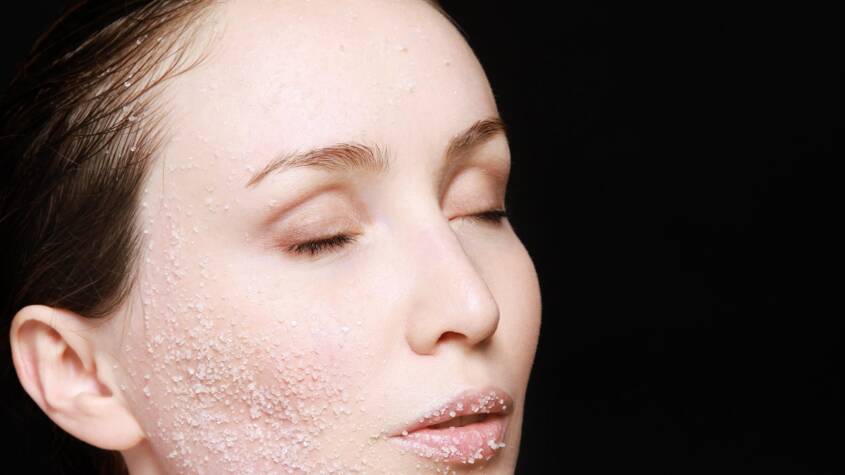
Botox is commonly known for smoothing forehead lines and crow’s feet, but its use under the eyes is gaining attention for reducing fine lines and wrinkles in this delicate area. When carefully injected beneath the lower eyelid, Botox works by relaxing the tiny muscles responsible for dynamic wrinkles, softening their appearance without adding volume.
Botox under eye wrinkles can effectively diminish fine lines and wrinkles by temporarily blocking muscle contractions, making the skin look smoother and more refreshed. This treatment is different from fillers, which target volume loss or dark circles, focusing instead on muscle movement that causes under-eye texture.
Because the under eye wrinkles area is sensitive, precise application by an experienced provider is important to ensure natural results and avoid complications. The procedure requires minimal downtime and typically lasts several months, offering a practical option for those looking to address early signs of aging around the eyes.
Botox for Under Eye Wrinkles
Botox targets wrinkles caused by muscle movement around the eyes. Its effects, benefits, and suitability vary depending on individual skin condition and treatment goals. Understanding how Botox works and who can benefit most helps set clear expectations.
Mechanism of Action on Under Eye Wrinkles
Botox works by blocking nerve signals that trigger muscle contractions beneath the skin. In the under-eye area, this reduces dynamic wrinkles caused by repeated facial movements, such as squinting or smiling. The toxin temporarily relaxes targeted muscles, softening fine lines and smoothing the skin’s surface.
This effect typically begins within a few days and lasts between three to four months. Botox is most effective on dynamic wrinkles rather than static wrinkles, which are more related to skin laxity or volume loss. For this reason, it is often combined with dermal fillers to address multiple under-eye concerns simultaneously.
Benefits and Limitations of Botox in the Under Eye Area
Botox offers a minimally invasive, quick procedure with little to no downtime. It can noticeably reduce fine lines and wrinkles, resulting in a refreshed, rested appearance. The treatment area is small and precise, making it ideal for crow’s feet and under-eye wrinkles related to muscle activity.
However, Botox does not improve skin texture, pigmentation, or dark circles. It also cannot replace volume loss or sagging skin under the eyes. Possible side effects include mild bruising or temporary eyelid drooping if improperly injected. Results typically last 3 to 4 months, requiring repeat treatments to maintain effects.
Who Is an Ideal Candidate for Botox Under the Eyes
Ideal candidates are individuals with fine to moderate dynamic wrinkles caused by muscle movement under the eyes. Those seeking to soften crow’s feet or short lines without surgery suit Botox well.
Candidates should have generally healthy skin and no history of neuromuscular disorders or allergies to botulinum toxin. People with severe skin laxity or volume loss may benefit more from fillers or other treatments. Consultation with a qualified provider ensures proper assessment of candidacy and treatment planning.
Procedure and Aftercare
The Botox treatment for under-eye wrinkles involves precise injections aimed at relaxing muscles that cause fine lines. Proper preparation, understanding risks, and following post-treatment care influence the effectiveness and safety of the procedure.
Preparation Steps and What to Expect During Treatment
Before the procedure, patients should avoid blood-thinning medications and alcohol for about 24-48 hours to reduce bruising. A thorough consultation assesses skin condition and discusses medical history to rule out contraindications.
During treatment, a fine needle injects small amounts of Botox into targeted muscles beneath the eye. The process typically takes 15-30 minutes and causes minimal discomfort. Patients may experience slight swelling or redness initially, but no anesthesia is usually required. Practitioners ensure precise placement to avoid affecting nearby muscles that control eye movement or expression.
Potential Side Effects and Risks
Common side effects include mild bruising, swelling, and tenderness at the injection site. Some may experience temporary drooping of the eyelid or asymmetry if the Botox spreads beyond intended areas due to incorrect placement.
Rare risks involve allergic reactions, dry eyes, or excessive weakening of muscles that could affect blinking. Patients with neurological conditions or allergies to botulinum toxin should not receive treatment. Proper technique and choosing a qualified provider minimize these risks significantly.
Results Timeline and Longevity
Initial effects typically appear within 3 to 5 days, with full results visible by two weeks post-injection. The smoothing of wrinkles happens as the targeted muscles relax.
Results usually last between 3 to 4 months. After this period, muscle activity gradually returns, and wrinkles may reappear. Regular maintenance treatments are necessary to sustain the improvement, but treatment plans vary based on individual response and lifestyle factors.
Recovery and Post-Treatment Recommendations
Patients should avoid rubbing or massaging the treated area for at least 24 hours to prevent Botox migration. Remaining upright for several hours post-treatment helps reduce swelling and spreading.
Exposure to heat, intense exercise, and alcohol should be limited for 24-48 hours to avoid increased bruising or swelling. Applying a cold compress can ease any discomfort. Follow-up appointments help monitor progress and address any complications early.
BlogBuzzNews Essential Insights for Staying Updated in 2025
BlogBuzzNews is a digital platform that delivers timely and relevant updates across variou…

A Full-Service Print Shop Specializing in Digital and Offset Printing
Printing looks simple—until it isn’t. Anyone who has rushed to a print shop near …