

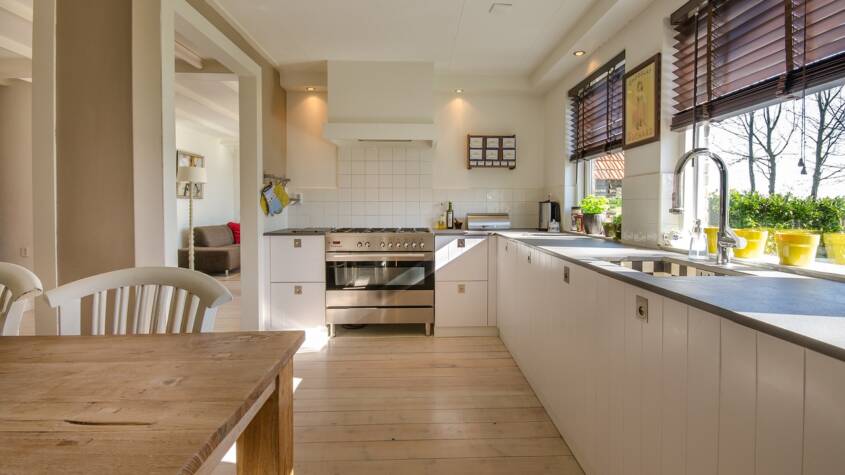
Designer kitchen cabinets offer tailored solutions that combine functionality with aesthetic appeal, transforming kitchens into personalized spaces. They are crafted with quality materials and precise workmanship to suit specific styles, layouts, and storage needs, making kitchens more efficient and visually striking.
The value of designer kitchen cabinets lies in their ability to marry custom design with durable construction, ensuring each piece fits perfectly and enhances the overall kitchen experience. These cabinets can include unique features, premium hardware, and finishes that reflect the homeowner’s tastes while maximizing space usage.
High-end kitchens often rely on bespoke cabinetry to achieve a seamless look that standard options cannot provide. With options ranging from sleek modern designs to classic, timeless styles, designer kitchen cabinets cater to various preferences, offering lasting appeal and improved home value.
Choosing Designer Kitchen Cabinets
Selecting designer kitchen cabinet involves balancing style, materials, and customization to match both the kitchen’s aesthetic and functional needs. Careful attention to popular cabinet designs, premium materials, and tailored options ensures a cohesive and durable result. Professional advice can help avoid common pitfalls and enhance decision-making.
Popular Designer Cabinet Styles
Designer cabinets often lean toward timeless styles that complement a variety of kitchen themes. Shaker cabinets remain popular for their clean lines and versatile appeal. Flat-panel or slab cabinets suit modern kitchens with minimalist designs, emphasizing smooth surfaces and simplicity.
Traditional styles feature raised panels and intricate moldings, creating a classic, elegant look. Transitional cabinets blend these elements, offering a balance between modern and traditional aesthetics. Matte and glossy finishes can also impact style perception, with matte finishes trending for subtle sophistication.
Avoid overly trendy styles that may date quickly, such as excessive ornamentation or overly bold colors. Manufacturers and designers often recommend neutral tones and classic profiles for long-lasting appeal.
High-End Materials and Finishes
Material choice significantly affects both durability and appearance. Solid hardwoods like maple, cherry, and oak are favored for their strength and ability to be refinished. Exotic woods may be chosen for unique grain and color but often come at a higher cost.
High-quality plywood or MDF with veneer finishes offer cost-effective yet sturdy alternatives. Finishes range from painted and stained wood to thermofoil and lacquered surfaces. Matte, satin, or gloss finishes must be selected based on moisture resistance and ease of maintenance.
Hardware like soft-close hinges and drawer slides enhances functionality while complementing the cabinet finish. Luxury options include metal inlays or glass fronts, which can elevate design but require thoughtful cleaning and upkeep.
Customization Options
Designer cabinets often provide extensive customization to fit specific kitchen layouts and personal preferences. Adjustable shelving, pull-out trays, and specialized storage solutions maximize usability. Custom dimensions allow seamless integration in irregular spaces.
Color matching and unique finish requests accommodate bespoke design schemes. Choice of hardware—from knobs to handles—further personalizes the cabinets. Lighting integration, such as under-cabinet LEDs, can be tailored for both task and ambient illumination.
Customization extends to construction details like dovetail joints for drawers or soft-close mechanisms, ensuring longevity and smoother operation. Clients benefit from working closely with designers to align customization with budget and practical needs.
Expert Cabinet Selection Tips
Professionals suggest starting with a clear assessment of kitchen workflow and storage priorities. Cabinets should enhance usability without overwhelming space. Measuring the kitchen accurately and considering existing appliances is crucial.
Selecting cabinets made from durable materials with quality hardware extends lifespan. Designers warn against prioritizing looks alone; function and maintenance should influence choices heavily.
It is wise to request samples of finishes and hardware before committing. Comparing warranties and installation services helps avoid future issues. Budgeting should account for both cabinet cost and installation to prevent surprises.
Finally, consulting with a kitchen designer or cabinet expert can streamline the process, ensuring selections meet both style and function goals efficiently.
Integrating Designer Kitchen Cabinets at Home
Incorporating designer kitchen cabinets requires attention to both practical use and visual impact. Thoughtful choices around storage, style, and installation methods help ensure the cabinets enhance the kitchen’s functionality and aesthetic without disruption.
Maximizing Functionality and Storage
Designer cabinets often prioritize efficient use of space. Features such as pull-out shelves, deep drawers, and built-in organizers allow homeowners to maximize storage while keeping items accessible. Cabinets can be customized to fit specific kitchen layouts, making use of corners and underutilized areas.
Integrating tall pantry units or vertical pull-outs can increase storage without compromising floor space. Soft-close hinges and drawer slides improve daily usability. Homeowners should assess their storage needs carefully before selecting cabinet configurations to avoid under or over-storage.
Design Trends and Inspiration
Current trends emphasize clean lines, mixed materials, and contrasting finishes. Matte or glossy surfaces paired with wood accents create visual interest. Two-tone cabinets—with darker lower units and lighter uppers—remain popular for adding depth.
Minimalist hardware such as integrated handles or push-to-open mechanisms helps maintain a sleek design. Colors like deep navy, forest green, and warm taupe align with modern preferences. Incorporating natural textures or subtle metallic touches can elevate the overall look without overpowering the kitchen.
Professional Installation Considerations
Accurate measurement and leveling are essential to a seamless fit. Professional installers ensure cabinets are aligned with existing architecture and adjoining structures, preventing gaps and uneven surfaces.
Special attention should be given to matching new cabinets with existing elements such as countertops and backsplashes. Installers often coordinate adjustments to plumbing and electrical fixtures. They also verify proper mounting for durability and safety, especially with heavy or custom pieces. Hiring experienced professionals reduces costly errors and protects the investment in designer cabinetry.
BlogBuzzNews Essential Insights for Staying Updated in 2025
BlogBuzzNews is a digital platform that delivers timely and relevant updates across variou…

A Full-Service Print Shop Specializing in Digital and Offset Printing
Printing looks simple—until it isn’t. Anyone who has rushed to a print shop near …