
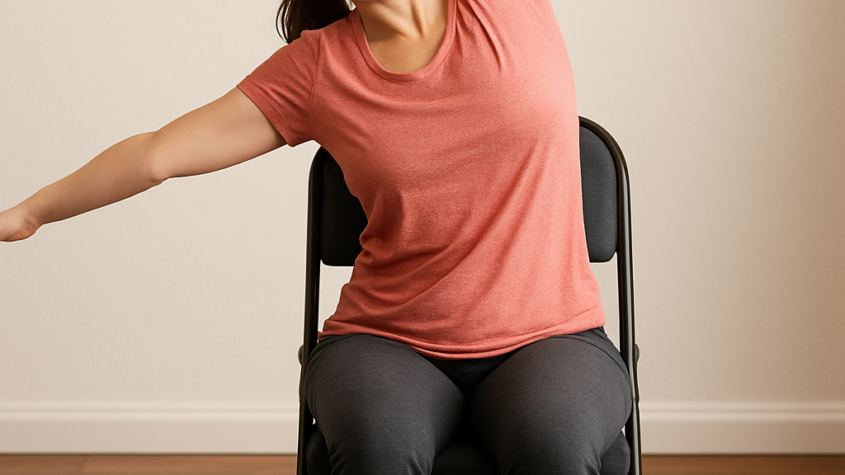
Chair yoga is an accessible form of exercise that allows individuals to perform gentle stretches and movements while seated. It is especially beneficial for seniors or those with limited mobility, offering a safe way to improve flexibility, strength, and mental clarity without putting stress on the joints. Free chair yoga exercises provide a convenient, low-impact option to boost physical and mental health from home or anywhere.
These exercises often include simple poses like Seated Cat-Cow or Chair Forward Fold, designed to increase circulation, reduce stiffness, and promote relaxation. Many free resources offer printable guides and beginner-friendly routines, making it easy to follow along whether someone is new to yoga or looking to add movement to their daily routine.
People looking for effective, gentle workouts will find chair yoga a practical solution that fits various fitness levels. With downloadable PDFs and clear instructions available, it becomes easy to integrate these exercises into wellness plans without the need for specialized equipment or gym visits.
Essential Free Chair Yoga Exercises
These chair yoga exercises focus on building strength, improving spinal mobility, and enhancing flexibility. Each movement can be done safely while seated, making them accessible to people with limited mobility or balance concerns.
Seated Mountain Pose
The Seated Mountain Pose encourages proper posture and breath control. Sitting tall, the practitioner aligns their spine by keeping the feet flat on the floor and engaging the core muscles. Shoulders are relaxed but drawn slightly back to open the chest.
Breathing deeply through the nose, the individual inhales slowly while lengthening the spine upward. Exhaling fully helps release tension in the neck and shoulders. This pose serves as a foundational position that improves posture and mental focus before moving into other exercises.
Chair Cat-Cow Stretch
This stretch targets spinal flexibility and warmth. While seated, one inhales deeply to arch the back slightly, lifting the chest and gazing upward, which extends the spine. On the exhale, the practitioner rounds the spine forward, tucking the chin toward the chest and drawing the belly in.
Repeating this movement 5-10 times increases spinal mobility and relieves stiffness. It also promotes circulation through the vertebrae and helps reduce tension in the upper back and neck. The smooth coordination of breath with movement enhances relaxation and body awareness.
Seated Spinal Twist
The Seated Spinal Twist improves spinal rotation and stretches the muscles along the back and sides. Sitting upright, the individual places one hand on the opposite knee and the other hand on the chair’s backrest for support.
On an inhale, they lengthen the spine, and during the exhale, they gently twist the torso toward the side with hand support. Holding the position for several breaths aids digestion and reduces lower back stiffness. Caution should be taken not to force the twist beyond a comfortable range.
Chair Warrior Pose
This pose builds strength in the legs and core while enhancing balance and concentration. From a seated position near the edge of the chair, one foot steps back, keeping the toes on the floor, while the hips remain square forward.
The practitioner raises both arms overhead or extends them gently forward. Holding the pose for several breaths strengthens the legs and stabilizes the core without requiring standing balance. It also encourages steady breathing and full-body engagement in a safe manner.
| Exercise | Focus Area | Key Benefits |
| Seated Mountain Pose | Posture, Breath | Spinal alignment, focus |
| Chair Cat-Cow Stretch | Spinal Mobility | Flexibility, tension relief |
| Seated Spinal Twist | Spinal Rotation | Back stretch, digestion help |
| Chair Warrior Pose | Strength, Balance | Leg/core strength, focus |
Tips for Practicing Free Chair Yoga Safely
Safe chair yoga practice depends on selecting the right chair, using proper breathing methods, and making suitable adaptations based on mobility. Attention to these details helps prevent injury and enhances the effectiveness of the exercise.
Proper Chair Selection
Choosing an appropriate chair is crucial to safety during chair yoga. The chair should be sturdy, without wheels or unstable legs, to prevent slipping or tipping. Ideally, it has a flat seat and a straight back to provide reliable support.
The height of the chair matters. Feet must rest flat on the floor with knees at a 90-degree angle when seated. If the chair is too low or too high, it can affect balance and posture. Avoid cushioned seats that sink excessively, as this can reduce stability.
Additionally, chairs with armrests can offer extra support during transitions, but they should not restrict movement. A chair placed on a non-slip surface or secured with a rug under it further reduces the chance of sliding.
Breathing Techniques
Controlled breathing enhances the benefits and safety of chair yoga exercises. Practitioners should focus on slow, deep breaths that engage the diaphragm rather than shallow chest breathing. This helps maintain calm and increases oxygen flow to muscles.
Breathing should be synchronized with movements: inhale when expanding or opening the body and exhale during contractions or twists. This coordination reduces tension and prevents dizziness.
Holding the breath must be avoided, as it can increase blood pressure and cause discomfort. Beginners can count breaths slowly—such as inhaling to a count of four and exhaling to six—to develop steady breathing patterns.
Adjustments for Mobility Levels
Chair yoga is adaptable for various mobility needs, but adjustments are essential for safety. For those with limited flexibility, modifications such as reducing range of motion or using props like yoga blocks or straps can support poses.
Movements should be slow and deliberate to avoid strain. If pain or discomfort occurs, exercises should be modified or paused immediately. It is also advisable to keep the spine supported with the chair back during some poses to prevent overextension.
People with balance issues may benefit from performing all stretches while fully seated, avoiding poses that require standing or complex transitions. Listening to the body and progressing gradually reduces the risk of injury.
BlogBuzzNews Essential Insights for Staying Updated in 2025
BlogBuzzNews is a digital platform that delivers timely and relevant updates across variou…

A Full-Service Print Shop Specializing in Digital and Offset Printing
Printing looks simple—until it isn’t. Anyone who has rushed to a print shop near …