

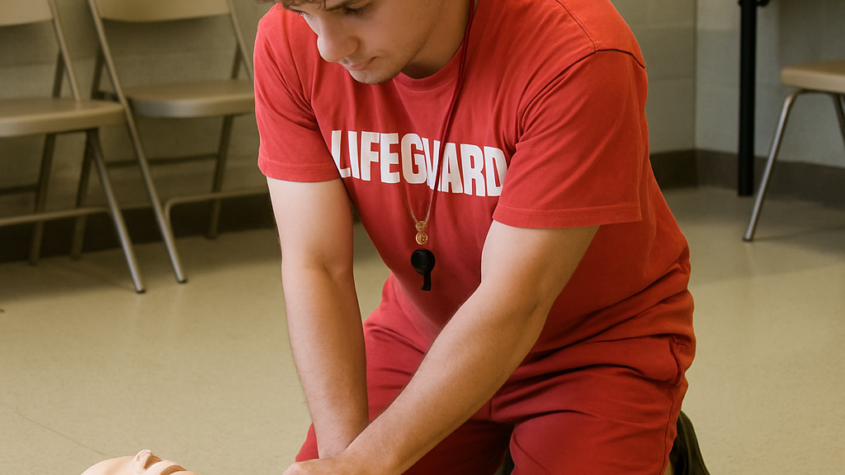
Lifeguard training is more than learning how to swim or blow a whistle it’s professional emergency preparation. A trained lifeguard is responsible for preventing accidents, responding to distress quickly, and protecting lives in unpredictable aquatic environments. Whether you want to work at a pool, waterpark, beach, or lake, proper training ensures you can handle real emergencies with skill and confidence.
Most lifeguard training programs include both classroom learning and hands-on practice in the water. You’ll train in rescue scenarios, emergency response procedures, and life-saving medical care such as CPR, AED, and first aid. While course requirements vary depending on the provider and location, the goal remains the same—prepare lifeguards to protect lives through prevention, rapid response, and professional decision-making.
This guide covers everything you need to know about lifeguard training, including eligibility requirements, course structure, skills you’ll learn, tips for passing assessments, and how to maintain your certification.
Summary: Lifeguard Training at a Glance
Lifeguard training is designed to help you become confident, job-ready, and prepared for emergencies. It blends in-water practice with classroom instruction to ensure you can prevent accidents, perform rescues correctly, and provide immediate medical care when needed. You’ll learn professional surveillance techniques, water rescue skills, CPR/AED, first aid, and emergency action procedures. Most programs require a pre-course swim test and end with written and practical assessments to confirm competency.
Understanding Lifeguard Training: Why It Matters
Lifeguard training plays a critical role in preventing drowning and aquatic injuries. Lifeguards are often the first responders at pools and water environments, and their ability to recognize distress quickly can mean the difference between a close call and a tragedy. Training builds the knowledge and hands-on confidence required to react immediately and correctly.
Proper training focuses on prevention first—because stopping an incident before it happens is always safer than rescuing after. Lifeguards learn how to scan zones effectively, enforce safety rules, and identify risky behavior. When emergencies do happen, training ensures lifeguards can respond with structured rescue methods and medical care.
Benefits of Lifeguard Training
✅ Lifeguard training helps you:
-
Prevent drowning and injuries through active surveillance
-
Respond quickly using proven rescue techniques
-
Provide CPR/AED and first aid under pressure
-
Meet employer expectations and legal safety requirements
-
Build leadership, teamwork, and confidence
A trained lifeguard is a professional rescuer, not just a good swimmer.
Who Should Take Lifeguard Training?
Lifeguard training is designed for individuals who want to work in aquatic environments where public safety is a priority. It’s ideal for people who are comfortable in water, physically active, and committed to protecting others.
Lifeguard training is a great fit for:
-
Teens and young adults seeking their first job
-
Swim instructors and aquatic staff
-
Camp counselors and recreation leaders
-
Fitness-focused individuals who enjoy active work
-
Anyone interested in emergency response careers
It’s a rewarding role that builds both professional and personal confidence.
Lifeguard Training Requirements and Eligibility
Before enrolling in a lifeguard training course, students must meet specific prerequisites. These requirements ensure trainees are physically capable of completing rescues and safety drills.
Common Lifeguard Training Requirements
Most programs require:
-
Minimum age: Typically 15 years old (varies by provider)
-
Strong swimming ability
-
Ability to pass a pre-course swim test
-
Physical readiness for endurance and strength drills
-
Attendance commitment for all training sessions
Typical Pre-Course Swim Test
Depending on the provider, you may need to:
-
Swim 300 yards/meters continuously
-
Tread water for 2 minutes
-
Retrieve a 10 lb brick/object from deep water
These tests confirm you’re ready for the physical demands of training and the responsibilities of real lifeguarding.
What You Learn in Lifeguard Training
Lifeguard training covers prevention, rescue skills, and emergency medical response. You will learn to protect swimmers through proactive supervision and respond safely if an emergency occurs.
Core Skills Covered in Lifeguard Training
Most programs include:
-
Active and passive victim rescues
-
Water entries and approaches
-
Victim carries and safe extraction techniques
-
Spinal injury response and backboarding
-
CPR (adult, child, infant)
-
AED operation and safety
-
First aid: bleeding control, fractures, shock, heat illness
-
Emergency Action Plans (EAPs)
-
Team response and communication drills
These skills prepare you for both routine safety supervision and serious emergencies.
What to Expect During Lifeguard Training Classes
Lifeguard training is hands-on. Expect a balance of classroom instruction, water practice, and real-life scenario drills.
Lifeguard Training Course Structure
You will typically complete:
-
Classroom modules: safety rules, responsibilities, emergency planning
-
Pool or open-water sessions: rescues, drills, victim removal
-
Scenario training: simulated emergencies with teamwork response
-
Written exam: tests your knowledge of lifeguarding principles
-
Final skills assessment: verifies rescue, CPR/AED, and first aid readiness
Training sessions often feel intense—because emergencies are intense. The purpose is to build muscle memory so your response becomes automatic when seconds count.
Written Exams and Practical Assessments: How to Pass
Most lifeguard training programs require both knowledge-based and skill-based testing. Lifeguards must prove they understand protocols and can perform rescues correctly.
How to Pass the Written Exam
✅ Best tips:
-
Review your lifeguard manual and class notes
-
Focus on scanning, prevention, and emergency action plans
-
Study CPR/AED sequences and first aid response steps
-
Practice scenario-based questions if available
How to Pass Skills Assessments
✅ Best tips:
-
Practice rescue techniques repeatedly
-
Stay calm during scenario drills
-
Follow the correct order of steps
-
Communicate clearly during teamwork rescues
-
Take instructor feedback seriously and adjust quickly
The goal is safety and accuracy—not just speed.
CPR, First Aid, and Emergency Response in Lifeguard Training
Lifeguards respond to more than drowning incidents. Your training prepares you for medical emergencies like cardiac events, breathing problems, injuries, and heat-related illnesses.
CPR/AED & First Aid Topics Covered
-
CPR compressions and rescue breathing
-
AED setup and safe operation
-
Managing choking and breathing emergencies
-
Treating bleeding, burns, and fractures
-
Recognizing shock and preventing worsening injuries
-
Handling spinal injuries safely in water
These skills ensure you can provide immediate care while waiting for EMS.
Physical Fitness and Water Skills Requirements
Physical readiness is essential for lifeguarding. Lifeguard training tests endurance, strength, and water control because real rescues require both speed and stamina.
Key Fitness and Water Skills
-
Strong endurance swimming
-
Efficient treading and deep-water control
-
Ability to support and move a victim safely
-
Strong rescue strokes and surface dives
-
Calm decision-making under physical stress
Fitness isn’t only about strength—it’s about staying composed while tired and still performing correctly.
After Training: Maintaining Your Lifeguard Skills and Certification
Completing lifeguard training is the beginning of your responsibility, not the end. Lifeguards must continuously practice to stay sharp.
Best Ways to Maintain Skills
-
Attend regular in-service trainings
-
Practice rescue drills monthly
-
Refresh CPR/AED and first aid knowledge
-
Stay physically active year-round
-
Review emergency action plans regularly
Staying prepared ensures your skills remain effective when emergencies happen unexpectedly.
Frequently Asked Questions About Lifeguard Training
How long does lifeguard training take?
Most programs take 20–30 hours, depending on course type and provider.
Can lifeguard training be completed online?
Some theory may be offered online, but all rescue, CPR/AED, and skill assessments must be completed in person.
Is lifeguard training difficult?
It can be challenging, especially if you lack endurance. With preparation and consistent practice, most students succeed.
How long is a lifeguard certification valid?
Most lifeguard certifications last two years, after which recertification is required.
Conclusion: Lifeguard Training Builds Confidence That Saves Lives
Lifeguard training is one of the most valuable safety certifications you can earn. It prepares you to prevent emergencies, perform rescues, and provide lifesaving care under pressure. Beyond the job opportunity, lifeguard training teaches leadership, responsibility, and calm decision-making—skills that stay with you for life.
If you want to become a lifeguard, choose a recognized training provider, prepare physically, and commit to learning the details of emergency response. Your training could one day save someone’s life.
Author Bio
Benjamin Owen Leo is a water safety writer and lifeguard training content specialist with a focus on drowning prevention and professional lifeguard development. He creates people-first educational content on lifeguard certification, recertification, CPR/AED readiness, rescue techniques, and aquatic safety standards. His goal is to help lifeguards and aquatic facilities strengthen safety through clear, accurate, and practical training guidance.
Must Visit: Patrioric
Who Decides Warr Hoodie Style Guide for Beginners
The Warr hoodie sits in a special place within urban design culture. Its design comes from…

A Full-Service Print Shop Specializing in Digital and Offset Printing
Printing looks simple—until it isn’t. Anyone who has rushed to a print shop near …