

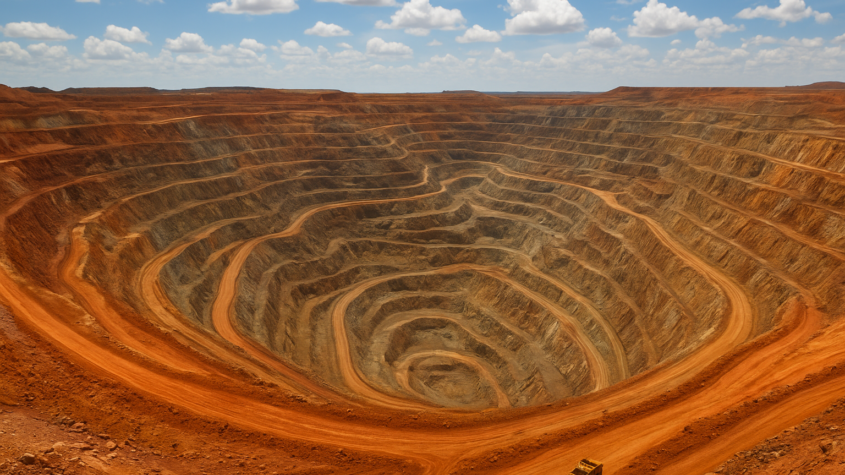
Mining in Michigan has a long and varied history, with over 1,800 identified mines producing key resources like iron, copper, and silver. The state continues to play a significant role in supplying materials essential for both traditional industries and emerging technologies. Michigan remains a notable source of minerals such as iron ore, copper, potash, and construction aggregates, supporting diverse industrial needs.
Current mining operations include metallic mining, native copper extraction, and potash mining, highlighting ongoing economic activity despite environmental and regulatory challenges. New developments, especially in battery-related materials like nickel and copper, signal a resurgence of mining relevance in the Upper Peninsula.
The story of mining in Michigan blends economic opportunity with environmental and social considerations, as communities navigate the balance between growth and sustainability. This dynamic landscape makes mining a subject of both historical importance and future potential in the region.
History and Current State of Mining in Michigan
Michigan has played a significant role in the mining industry, particularly through its rich deposits of iron and copper. Its mining history spans from early extraction efforts to the modern resurgence driven by demand for various minerals. Active operations continue alongside regulatory oversight to balance industry needs and environmental concerns.
Early Mining Developments
Mining in Michigan began in earnest in the mid-19th century, with iron ore and copper attracting early investments. Between 1844 and 1890, Michigan led the nation in iron ore production, driven by underground mines focused on high-grade deposits. Copper mining, especially in the Upper Peninsula, began around the same time and became a major industry by the late 1800s, noted for the unique amygdaloidal basalt formations that contained rich copper.
Immigrants from Europe moved to Michigan to work in these mines, boosting local populations and industrial growth. However, by the mid-20th century, easily accessible ore had been largely depleted, prompting a shift toward processing lower-grade taconite ores. Mining towns experienced decline as mines closed, reflecting the industry’s boom-and-bust cycles.
Significant Minerals Extracted in Michigan
Michigan’s mining sector has historically centered on three primary minerals: iron, copper, and silver. Iron ore was the backbone of the industry, particularly in the Marquette and Menominee Iron Ranges, responsible for fueling Michigan’s economic growth and supplying ore during both World Wars.
Copper was especially prominent in the Keweenaw Peninsula, contributing significantly to the U.S. copper supply in the 19th and early 20th centuries. Silver was less dominant but still mined in various locations. Today, Michigan also produces minerals such as nickel, sand, gravel, and cement, broadening its mining portfolio beyond metallic ores.
Key Mining Regions
Michigan’s mining history revolves around four major metallic mining regions:
- Copper Country – located in the Upper Peninsula, this area includes Keweenaw, Houghton, and Ontonagon counties. It is famous for its early copper production.
- Marquette Iron Range – in Marquette and Baraga counties, a historic source of iron ore.
- Menominee Iron Range – covering Dickinson and Iron counties, another vital iron-producing region.
- Gogebic Range – straddling the western UP near Gogebic County, known for iron and some exploration activity.
Each region has distinct geological features and mining legacies. While many mines have closed, these areas remain important for geology and potential future exploration.
Modern Mining Operations
Today, Michigan’s mining industry operates under strict regulations that manage ore extraction, waste disposal, and land reclamation. Some taconite processing facilities remain active, alongside limited copper and nickel mining driven by rising demand in technology and infrastructure sectors.
Only a few mines currently function in the Upper Peninsula, yet efforts to revive the industry continue due to the large untapped lower-grade mineral deposits. Advances in sustainable mining practices and environmental monitoring are shaping future operations, reflecting both economic opportunities and regulatory challenges.
Economic, Environmental, and Regulatory Aspects
Mining in Michigan contributes significantly to the state’s economy while facing strict environmental management requirements. The industry operates under a detailed regulatory framework that governs permits, land reclamation, and compliance. Together, these factors shape mining’s role in Michigan’s present and future.
Economic Impact of Mining
Mining remains a critical economic driver, especially in Michigan’s Upper Peninsula. The extraction of copper, iron ore, and other minerals supports local jobs and stimulates related industries such as equipment supply and transportation. Projects like Copperwood and Back Forty exemplify ongoing investment and development.
Financially, mining contributes millions to state tax revenues and local economies. It also sustains community infrastructure through corporate social responsibility initiatives. Despite historical fluctuations, mining’s economic role endures due to resource demand and efficient operations.
Environmental Management and Challenges
Mining operations follow strict environmental controls to minimize land disturbance and water contamination. Companies must submit detailed reclamation plans to restore mined land, ensuring ecosystems can recover post-extraction.
Challenges include managing tailings, protecting water resources, and mitigating habitat disruption. The Michigan Department of Environment, Great Lakes, and Energy (EGLE) oversees compliance, conducting inspections and enforcing regulations to reduce environmental risk. Sustainable practices are increasingly integrated into new projects.
Mining Regulations and Permitting
Michigan’s mining industry operates under a comprehensive regulatory system led by EGLE. Permits cover exploration, extraction, waste management, and reclamation. The permitting process requires environmental impact assessments and financial assurances to guarantee site restoration.
Non-compliance with regulations can lead to fines or operational shutdowns. Operators must adhere to local, state, and federal laws, balancing economic development with environmental protection. This rigorous oversight improves mining outcomes and community acceptance.
Future Prospects for Michigan Mining
Michigan’s mining future depends on advancing technology, regulatory adaptation, and market demand. Emerging projects focus on responsible extraction of copper and other critical minerals essential for clean energy technologies.
There is growing emphasis on balancing economic growth with environmental stewardship and community engagement. Innovations in reclamation methods and monitoring aim to reduce negative impacts. The industry anticipates moderate expansion driven by both market needs and strengthened sustainability practices.
BlogBuzzNews Essential Insights for Staying Updated in 2025
BlogBuzzNews is a digital platform that delivers timely and relevant updates across variou…

A Full-Service Print Shop Specializing in Digital and Offset Printing
Printing looks simple—until it isn’t. Anyone who has rushed to a print shop near …