
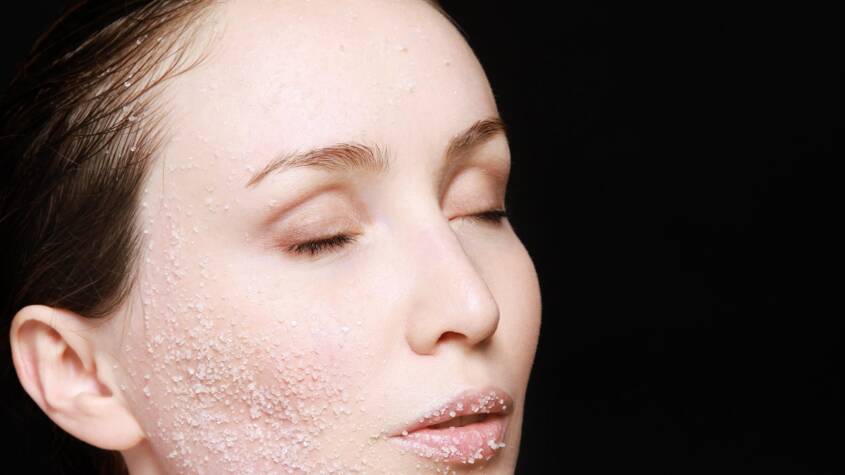
Obsessive-compulsive disorder (OCD) and skin picking, also known as excoriation disorder or dermatillomania, are closely linked conditions that involve repetitive behaviors driven by distressing thoughts. OCD and Skin Picking often coexist, with skin picking acting as a compulsive behavior that temporarily relieves anxiety but reinforces a harmful cycle of obsession, distress, and compulsion. This behavior often causes visible skin damage and emotional distress, affecting daily life and well-being.
People with skin picking disorder experience intense urges to pick at their skin, which can result in injuries and infections. While it shares features with OCD, skin picking is also considered a body-focused repetitive behavior (BFRB) and may overlap with other conditions like body dysmorphic disorder. Understanding this connection is key to recognizing symptoms and seeking effective treatment that addresses both the mental and physical aspects.
Understanding OCD and Skin Picking
Obsessive-compulsive disorder (OCD) and skin picking disorder involve repetitive behaviors driven by persistent urges or thoughts. Both conditions often cause distress and impact daily functioning, but they differ in how these behaviors manifest and what triggers them.
What Is OCD
OCD is a mental health condition characterized by obsessions and compulsions. Obsessions are unwanted, intrusive thoughts or images that cause anxiety. Compulsions are repetitive behaviors or mental acts performed to reduce the anxiety caused by these obsessions.
People with OCD might wash hands excessively, check things repeatedly, or organize objects in a specific way. The behaviors are time-consuming and interfere with normal activities. OCD is classified as an anxiety disorder due to the intense distress associated with obsessions and compulsions.
What Is Skin Picking Disorder
Skin picking disorder, also called excoriation disorder or dermatillomania, involves repetitive picking of the skin, causing damage like sores or scabs. It is classified as a body-focused repetitive behavior (BFRB), distinct from but sometimes overlapping with OCD.
The disorder includes urges to pick skin, often triggered by feelings of tension or boredom. People may focus on perceived imperfections or feel compelled to remove skin irregularities. The behavior provides temporary relief but can lead to physical harm and emotional distress.
Connection Between OCD and Skin Picking
Skin picking and OCD share similarities: both involve repetitive behaviors driven by urges or thoughts. However, while OCD compulsions are attempts to neutralize anxiety from obsessions, skin picking often arises from urges related to appearance or internal tension.
Research shows a high rate of comorbidity between skin picking disorder and OCD, with many individuals experiencing both. Treatments effective for OCD, like cognitive-behavioral therapy (CBT) with exposure and response prevention (ERP), also help manage skin picking. Habit-reversal training (HRT) is another targeted therapy used to reduce compulsive skin picking.
Diagnosis and Treatment Options
Identifying compulsive skin picking involves careful observation of behavior patterns and their impact on daily life. Effective treatment often combines therapeutic techniques with medication to reduce symptoms and improve quality of life.
Recognizing Symptoms
Symptoms of skin picking include repetitive touching, scratching, or digging at the skin, which leads to visible sores, scabs, or scars. Individuals may focus on perceived skin imperfections such as acne, bumps, or irritation. The behavior often provides temporary relief but results in skin damage and emotional distress.
Signs also include increased anxiety or tension before picking and a feeling of relief or satisfaction afterward. The condition typically causes disruption in social, occupational, or personal functioning. It is important to distinguish compulsive skin picking from occasional or cosmetic-related touching.
Diagnostic Criteria
Diagnostic criteria for skin picking disorder, or excoriation disorder, require that skin picking is recurrent and causes significant tissue damage. The individual must have repeated attempts to decrease or stop the behavior with limited success.
The picking cannot be better explained by another medical condition or substance use. It should cause distress or impair functioning in daily life. Diagnosis often involves clinical interviews and may require ruling out related disorders such as obsessive-compulsive disorder (OCD) or dermatological conditions.
Therapy Approaches
Effective therapy usually focuses on cognitive-behavioral techniques. Habit Reversal Training (HRT) is a primary method, helping individuals recognize triggers and replace picking with healthier behaviors. Cognitive Behavioral Therapy (CBT) addresses underlying anxiety and distorted thoughts related to skin appearance.
Therapists often incorporate stress management and emotional regulation strategies. Group therapy or support groups may provide additional benefit through shared experiences. Early intervention improves prognosis and helps prevent long-term skin damage and psychological impact.
Medication Considerations
Medication serves as an adjunct to therapy in many cases. Selective serotonin reuptake inhibitors (SSRIs) are commonly prescribed to reduce compulsive urges. Other medications, such as antipsychotics or anticonvulsants, may be considered based on individual response and symptom severity.
Medication effectiveness varies, and treatment plans should be tailored by healthcare providers. Regular monitoring is essential to assess benefits and potential side effects. Combining medication with behavioral therapy usually yields the most effective symptom control.
BlogBuzzNews Essential Insights for Staying Updated in 2025
BlogBuzzNews is a digital platform that delivers timely and relevant updates across variou…

A Full-Service Print Shop Specializing in Digital and Offset Printing
Printing looks simple—until it isn’t. Anyone who has rushed to a print shop near …