
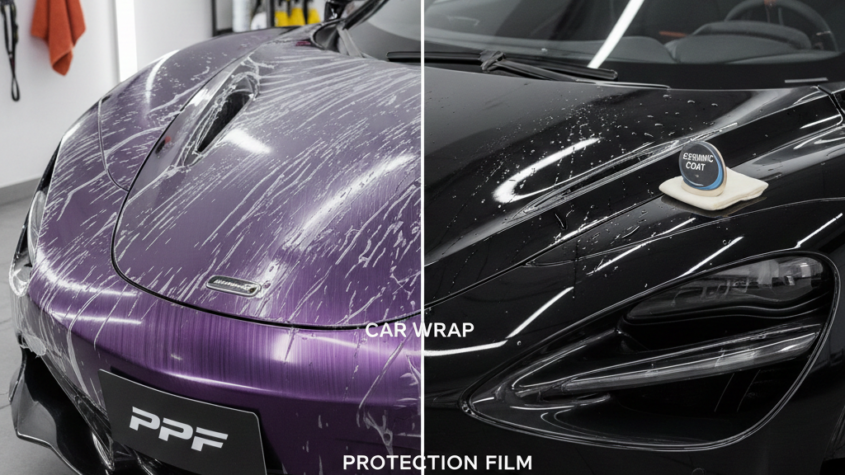
Paint protection film for cars is a clear, durable layer applied to a vehicle’s painted surfaces to guard against damage from road debris, scratches, and environmental factors. It serves as an invisible shield that helps maintain a car’s appearance by preventing chips, stains, and minor abrasions. This film is made of polyurethane, typically around 6 mils thick, offering strong protection without altering the vehicle’s look.
Many drivers choose paint protection film because it extends the life of their paint job, preserving value and aesthetic appeal. It is especially valuable for those who frequently drive on highways or in areas prone to road hazards. Available in self-healing varieties, some films can even repair minor swirl marks and scratches over time, making them a practical investment for vehicle maintenance.
Understanding Paint Protection Film for Cars
Paint Protection Film (PPF) is a transparent layer applied to a car’s exterior that guards against damage from daily driving conditions. It combines durability and clarity to maintain a vehicle’s visual appeal while providing physical defense. Its properties and types vary, influencing its protective effectiveness and maintenance requirements.
Benefits of Paint Protection Film
PPF protects a vehicle from scratches, rock chips, bug splatters, and UV rays, all common causes of paint damage. This protection reduces wear and tear that would otherwise dull or discolor the paint over time. Additionally, it helps maintain the car’s resale value by preserving the original factory finish.
The film is self-healing in many cases, meaning minor scratches diminish with heat exposure, such as sunlight. PPF also offers resistance to environmental contaminants like tree sap and road salt, which can accelerate paint deterioration. Its transparent nature ensures the vehicle’s aesthetics remain unchanged, important for owners who prioritize appearance.
Types of Paint Protection Film
PPF varies mainly by thickness, texture, and finish. The most common material is urethane, favored for its elasticity and toughness. Thickness typically ranges from 6 to 12 mils; thicker films provide more robust protection but may be more visible or difficult to apply.
There are also matte and glossy finishes. Glossy PPF enhances shine and depth of the paint, while matte films preserve a flat or satin look. Some advanced films include hydrophobic properties to repel water and dirt.
Installation quality matters significantly—professional application is recommended to avoid bubbles, peeling, or uneven coverage. Pre-cut kits and custom wraps are available depending on vehicle make and model.
How Paint Protection Film Works
PPF acts as a sacrificial barrier absorbing damage that would otherwise affect the paint. Its durable urethane polymer resists abrasion and impact from debris while remaining flexible enough to contour complex surfaces.
The film adheres to the surface using a pressure-sensitive adhesive that bonds securely but can be removed without harming the paint. Some films include a self-healing topcoat composed of elastomeric polymers that repair minor surface scratches when exposed to heat.
Its UV-resistant properties prevent sun-induced fading and discoloration. By creating a seamless protective layer, PPF extends the visual life of automotive paint through consistent defense against environmental and mechanical stressors.
Installation and Maintenance of Paint Protection Film
Proper application and care are critical to maximizing the durability and appearance of paint protection film (PPF). The process requires attention to detail during installation and regular maintenance afterward to prevent damage and keep the film effective.
Professional vs. DIY Installation
Professional installation typically ensures a precise, bubble-free application that conforms closely to a vehicle’s contours. Experts use specialized tools like heat guns, squeegees, and slip solutions to stretch and position the film correctly. They also prepare the surface thoroughly, removing contaminants that could cause adhesion problems.
DIY installation can save money but demands patience and practice. It usually involves cleaning the surface, applying a soapy water solution to help position the film, and carefully smoothing out bubbles and wrinkles. The risks include edge lifting, trapped dust, or uneven adhesion, which might lead to premature peeling or damage.
A professional installer is recommended for complex curves or large areas. However, smaller, flatter sections can be suitable for DIY efforts with proper preparation and tools.
Caring for Your Paint Protection Film
Regular cleaning is essential to maintain PPF’s clarity and protective qualities. Use a mild, pH-neutral car wash soap and soft microfiber cloths or mitts to avoid scratching the film.
Avoid abrasive brushes, harsh chemicals, or high-pressure washers directly on film edges. Sunlight exposure can cause minor yellowing over time, so parking in shaded areas helps extend longevity.
Waxes and sealants designed for PPF are available and can enhance hydrophobic properties, making dirt and contaminants easier to remove. It’s also important to inspect the film periodically, especially after extreme weather or washing, to catch any lifting or damage early.
Common Issues and Solutions
Edge lifting is one of the most frequent problems and can occur from improper installation or environmental factors. If noticed early, edges can often be re-adhered using heat and pressure or replaced if damaged.
Scratches and swirl marks can still appear on PPF but are usually minor and less visible compared to bare paint. Some premium films have self-healing properties activated by heat, which helps reduce fine scratches.
Trapped dirt or air bubbles during installation reduce film effectiveness. Professional installers are trained to avoid these, while DIY installers should take time to apply the film carefully, using proper techniques and tools.
Regular inspections and timely repairs prevent further deterioration, preserving the film’s protective role and appearance.
BlogBuzzNews Essential Insights for Staying Updated in 2025
BlogBuzzNews is a digital platform that delivers timely and relevant updates across variou…
A Full-Service Print Shop Specializing in Digital and Offset Printing
Printing looks simple—until it isn’t. Anyone who has rushed to a print shop near …