

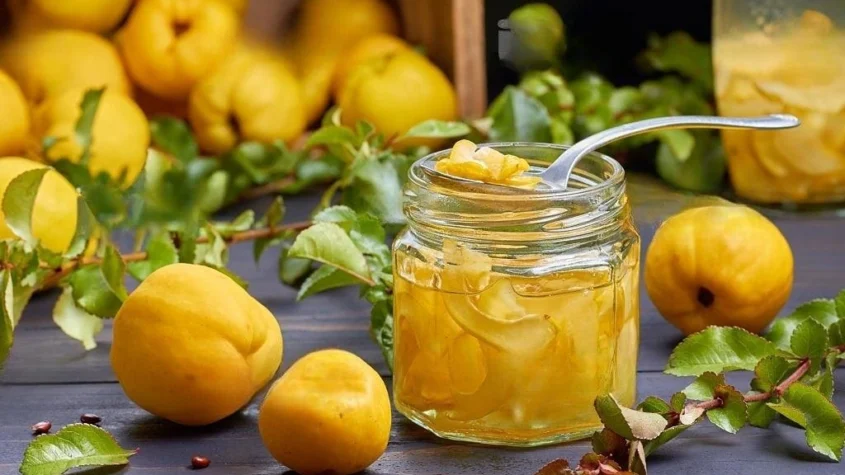
Quince murabba, known locally as safar jal murabba, holds a special place in Pakistani kitchens. Prepared from fragrant quince fruit, this traditional preserve is valued not only for its rich taste but also for its health benefits. Across Pakistan, especially during winter, families prepare or purchase this delicacy to enjoy with breakfast, desserts, or as a natural remedy. Along with taste and nutrition, many people are also curious about availability and market trends, including the safar jal price in pakistan, which varies by region and season.
What Is Quince (Safar Jal)?
Safar jal, or quince, is a hard, aromatic fruit resembling a pear or apple. Although it is rarely eaten raw due to its firm texture, it transforms beautifully when cooked. In Pakistan, quince is mostly used to make murabba, jams, and traditional sweets.
The fruit is typically harvested in cooler months, which is why it becomes more common in local mandis and fruit bazaars during autumn and winter. Its natural fragrance and slightly tangy flavor make it ideal for slow cooking with sugar.
Cultural Importance of Safar Jal Murabba in Pakistan
Murabba has been part of South Asian culinary heritage for centuries. In Pakistani households, safar jal murabba is often associated with home remedies and hospitality. Elders commonly recommend it for digestion, general weakness, and seasonal health issues.
Serving murabba to guests with parathas or plain bread is also considered a sign of warmth and tradition. In cities like Lahore, Multan, Peshawar, and Karachi, it can be found in both homemade and commercial forms.
Nutritional Value and Health Benefits
Quince murabba is more than just a sweet treat. When prepared correctly, it retains many of the fruit’s beneficial properties.
Key Health Benefits
-
Supports digestive health and helps reduce acidity
-
Traditionally used to strengthen the stomach
-
Contains natural antioxidants
-
Considered beneficial for joint health and general vitality
While murabba does contain sugar, moderate consumption is usually recommended, especially during winter.
How Quince Murabba Is Traditionally Prepared
The traditional method of making safar jal murabba requires patience, but the result is worth it.
Basic Preparation Steps
-
Fresh quince fruit is washed, peeled, and cut into large pieces
-
Pieces are soaked in lime water to maintain firmness
-
Sugar syrup is prepared separately
-
The fruit is slowly cooked in syrup over low heat
-
Natural color develops, turning the fruit a deep ruby shade
Many households add cloves, cardamom, or lemon juice for extra flavor and preservation.
Market Availability in Pakistan
Safar jal murabba is available in different forms across Pakistan. You can find it in:
-
Local herbal stores (pansar shops)
-
Traditional sweet shops
-
Online grocery platforms
-
Home-based sellers on social media
The quality often depends on the fruit source, sugar content, and preparation method. Handmade murabba is usually more aromatic and visually appealing.
Safar Jal Price Trends in Local Markets
Fruit prices in Pakistan fluctuate due to weather, transportation costs, and seasonal supply. The safar jal price in pakistan generally increases during off-season months when fresh quince becomes scarce.
In peak season, the fruit is more affordable, making it the preferred time for bulk purchases and home preparation. Urban markets often have slightly higher rates compared to rural areas due to logistics and demand.
Commercial vs Homemade Quince Murabba
Many people debate whether homemade murabba is better than store-bought options.
Homemade Murabba
-
Fresher taste and aroma
-
Control over sugar quantity
-
No artificial preservatives
-
Time-consuming but rewarding
Commercial Murabba
-
Easily available year-round
-
Longer shelf life
-
Consistent texture and packaging
-
Quality varies by brand
Consumers often choose based on convenience, budget, and personal preference.
Factors Affecting Safar Jal Murabba Quality
Not all murabba is the same. Several factors influence taste and quality:
-
Ripeness of the fruit
-
Ratio of sugar to fruit
-
Cooking time and temperature
-
Storage conditions
High-quality murabba has clear syrup, firm fruit pieces, and a natural reddish color without artificial dyes.
Storage and Shelf Life
Proper storage plays an important role in maintaining flavor. Safar jal murabba should be kept in airtight glass jars and stored in a cool, dry place. When stored correctly, it can last several months without refrigeration.
Always use a dry spoon to prevent moisture contamination, which can reduce shelf life.
Buying Tips for Pakistani Consumers
When purchasing quince murabba or fresh fruit, keep these tips in mind:
-
Choose fruit that is firm and free from dark spots
-
Avoid murabba with cloudy syrup
-
Prefer reputable local sellers or trusted brands
-
Compare rates in multiple markets to understand current pricing
Understanding seasonal trends also helps buyers get better value for money.
Conclusion
Quince murabba remains a timeless part of Pakistani food culture, cherished for its taste, tradition, and health benefits. Whether prepared at home or purchased from the market, it continues to be a winter favorite across the country. Awareness about quality, preparation methods, and market trends such as the safar jal price in pakistan helps consumers make informed choices. As culinary traditions evolve, this classic preserve still holds its ground, connecting generations through flavor and heritage.
Who Decides Warr Hoodie Style Guide for Beginners
The Warr hoodie sits in a special place within urban design culture. Its design comes from…

A Full-Service Print Shop Specializing in Digital and Offset Printing
Printing looks simple—until it isn’t. Anyone who has rushed to a print shop near …